Current Issue
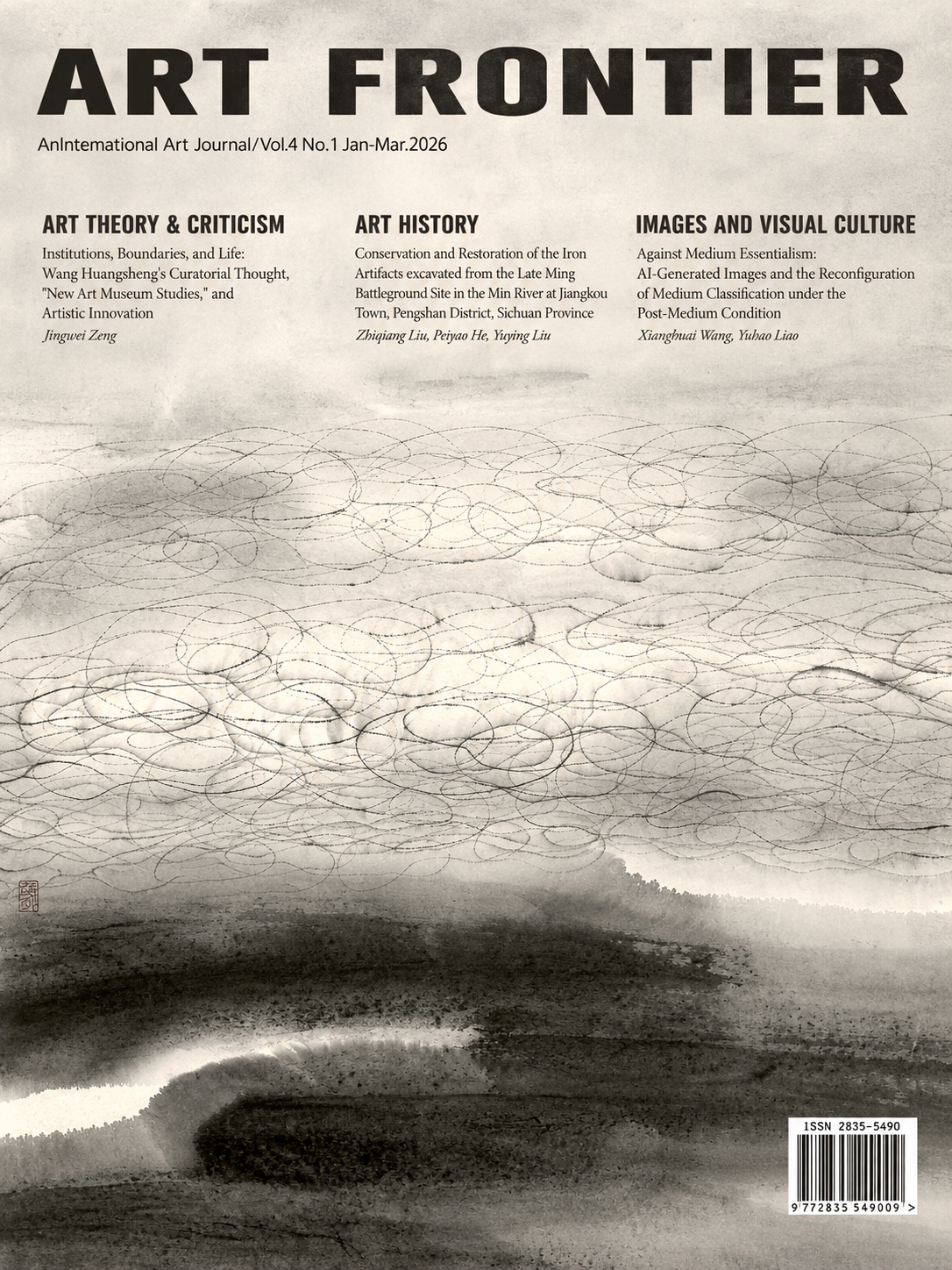
This issue explores the methodological challenges and creative possibilities that emerge when art historical inquiry crosses cultural boundaries. From the reception of Western theoretical models in non-Western contexts to the reinterpretation of traditional aesthetic concepts through modern philosophical lenses, the contributions gathered here question the very categories—tradition, modernity, East, West—that have long structured art historical discourse. Several essays investigate how visual languages travel and transform, examining artists who navigate between inherited vocabularies and contemporary imperatives. Others revisit canonical figures through fresh critical perspectives, revealing hidden resonances across seemingly disparate traditions. What unites these studies is a shared commitment to methodological reflection and a refusal to treat cultural difference as an obstacle. Instead, they demonstrate that the transcultural encounter is a generative site of new meanings. This issue offers not only new readings of specific works but also a rethinking of how art history itself might be practiced in an increasingly interconnected world.